

What is sandplay therapy?
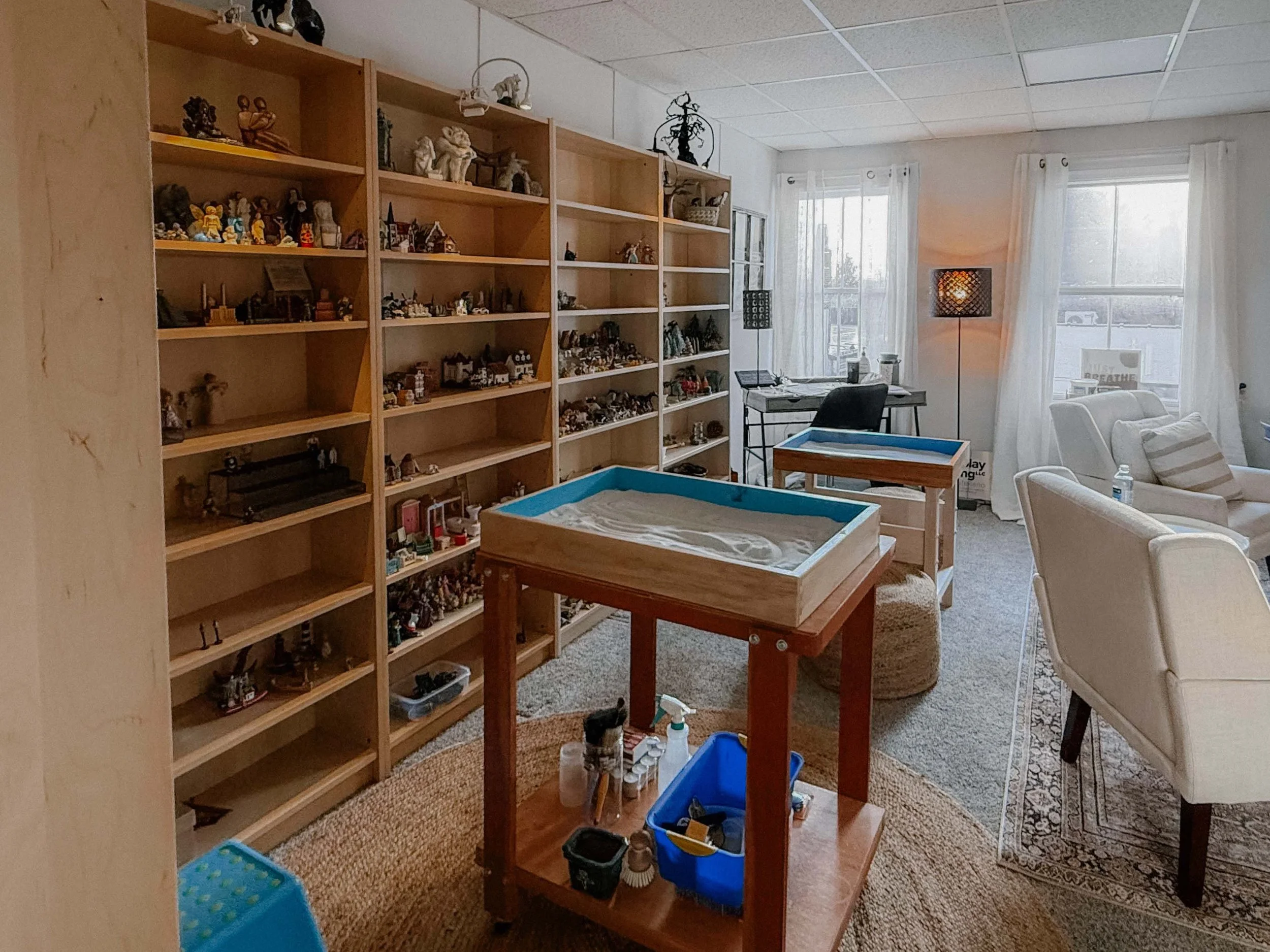
Sandplay is an effective and in-depth therapeutic method that can be used by adults and children. It is spontaneous and expressive — a concrete way to give form to what lives in the inner world. Working in a tray of sand with miniature figures, clients build what cannot yet be spoken.
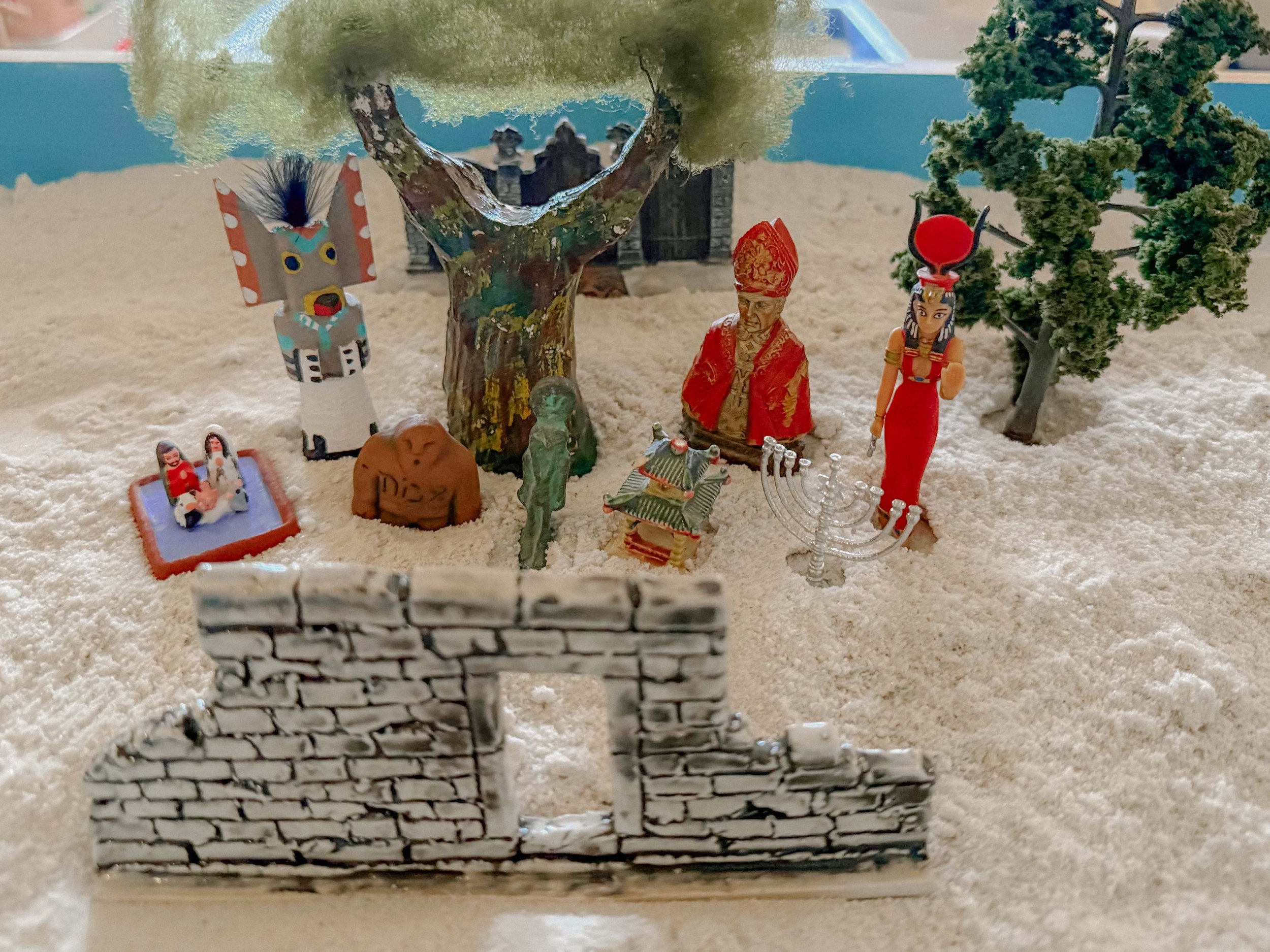
A free and protected space
for children and adults
The Method
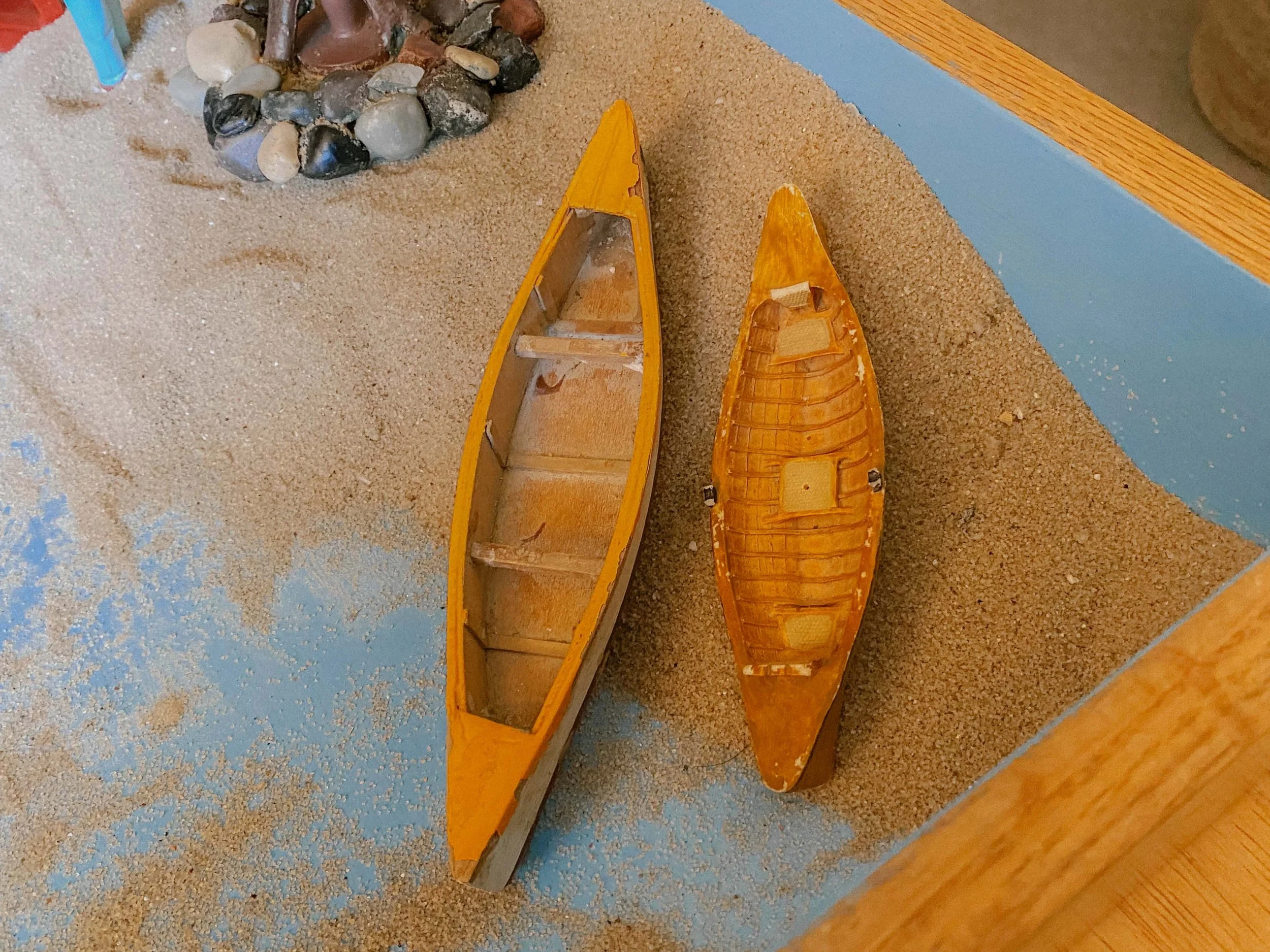
The method was developed by Swiss therapist Dora Kalff in the 1950s, rooted in the theory of Carl G. Jung and drawing on elements of eastern philosophy and the World Technique of Margaret Lowenfeld. It is primarily nonverbal and symbolic, encouraging a spontaneous, creative experience in what Kalff called the “free and protected space.” It was her belief that this space — created by the tray and the relationship with the therapist — allows a person, over time, to build concrete expressions of their inner world.
How it works
The efficacy of sandplay comes through the act of building, not through cognitive analysis of the completed tray. This allows for work at a pre-verbal and nonverbal level — reaching the parts of the self that language cannot access. Over a series of sessions, and within the attuned therapeutic relationship, something begins to shift. A strengthening and awakening of the whole person becomes possible.
The unconscious
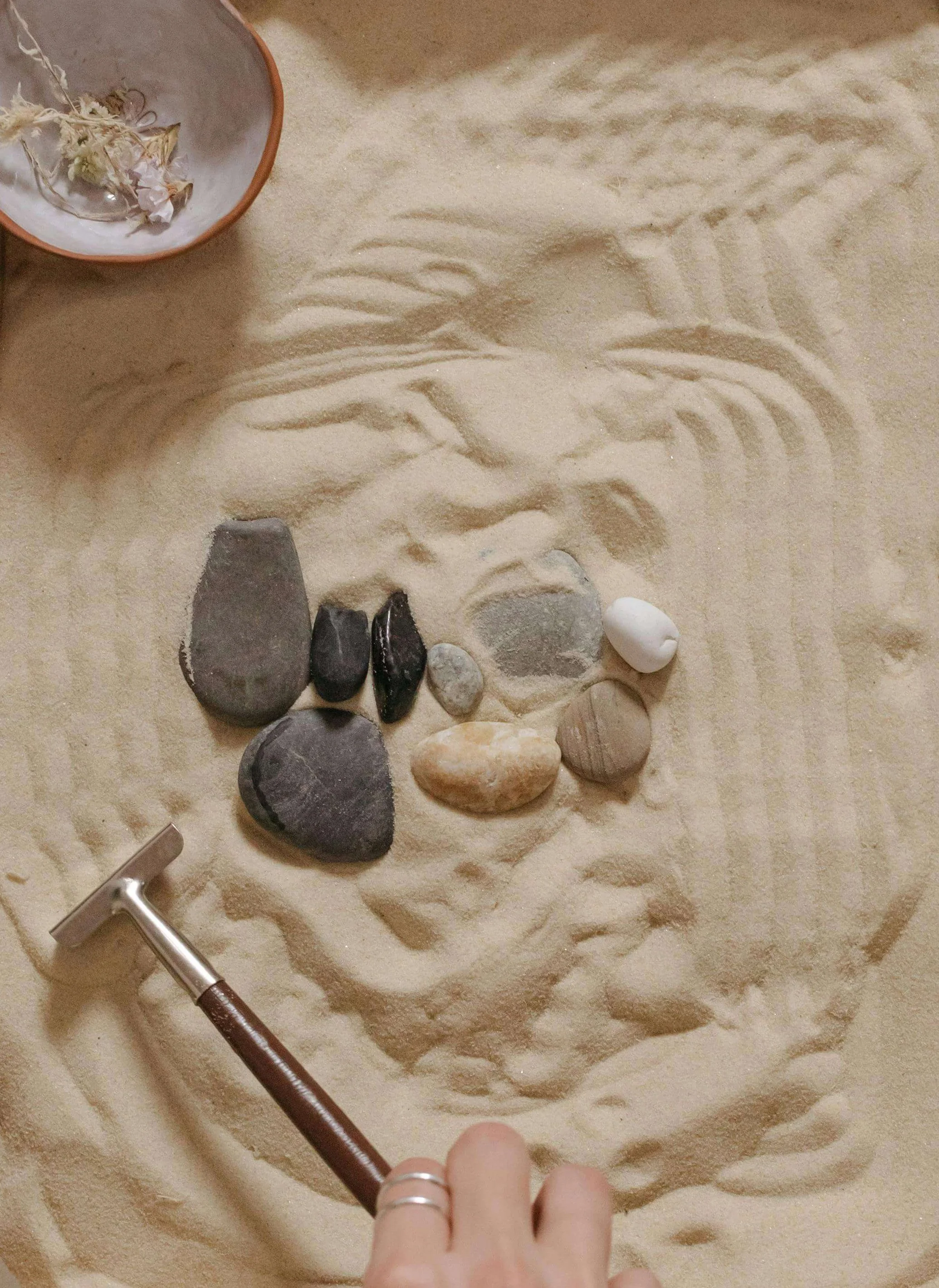
The psyche’s drive toward wholeness
I believe the psyche has an innate drive toward wholeness.
People suffer not because something is fundamentally broken, but because they have become disconnected — from themselves, from their symbolic experience, from their bodies and their soul. What depth work does is create the conditions for reconnection. The unconscious is not an obstacle. It is a resource — one that most therapeutic approaches never reach.
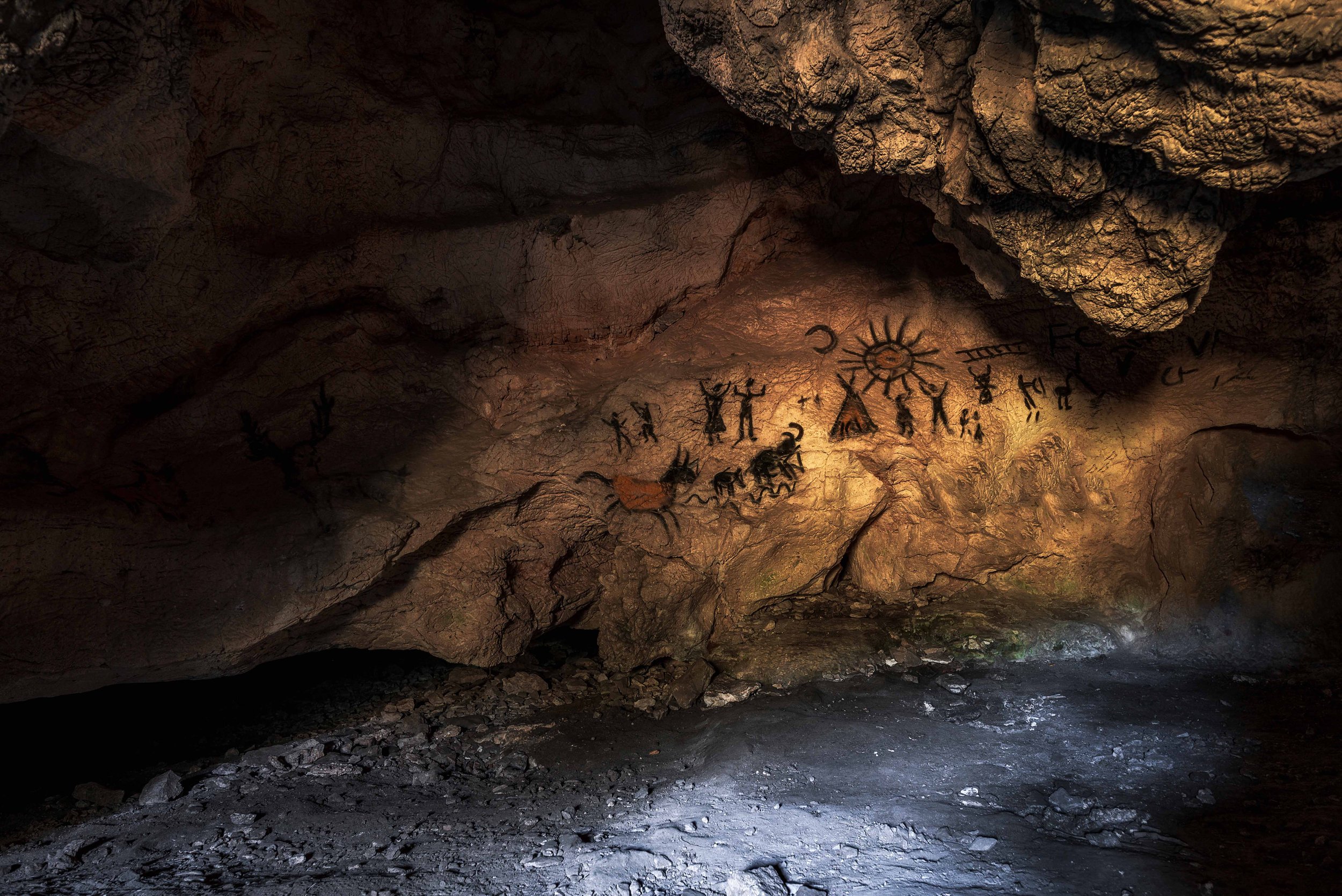
Most of what shapes us lives below the surface.
Trauma is typically identified by the catastrophic events of life (i.e. COVID, war, earthquake, 9/11). Yet other events, often very personal and individual, imbed themselves in daily living (i.e. an alcoholic parent, bullying, low-self esteem, parental rage, death, chronic illness). These events often have a significant and deep-rooted impact.
More important, this impact typically occurs from deep below the surface (unconscious). Depth therapy (i.e. Sandplay) and EMDR are highly effective in working with that which sits below.
In my work over the years, I have come to know that people, no matter what their presenting problem is in that first contact, are searching for themselves. As a therapist who specializes in trauma, it became clear to me, early on in my work, that much, if not most, of the "stuff" that influences people is out of the reach of conscious awareness.
As traumatic memory is held and stored in a part of the brain that does not use language, it is imperative to use methods that access process without language.
EMDR
An intervention for trauma that hasn’t finished processing
Eye Movement Desensitization and Reprocessing (EMDR) is a highly successful therapeutic intervention technique mainly used for individuals who have experienced trauma that remains unresolved.
The technique uses bilateral stimulation to help the brain and body complete the processing that was interrupted at the time of the traumatic event.
It is believed that traumatic memory often gets stuck in its original form — known as “state specific” — continuing to cause emotional, psychological, and physical distress long after the event itself has passed. EMDR helps complete the processing and release the impact the memory continues to carry.
I use EMDR in conjunction with sandplay and depth work, within the context of the ongoing therapeutic relationship. It is not a standalone protocol. It is one part of a whole.

Who this work is for
Adults and children navigating what lies beneath
I work with both adults and children. People come to me when they feel that something deeper is at work — when the same patterns keep repeating, when talk therapy has reached its limit, when loss or transition has opened something that needs real tending.
Reasons people come to therapy
Unresolved trauma and PTSD
Grief, loss, and major life transitions
Anxiety and depression that hasn’t responded to talk therapy
Repeating relational patterns — in relationships, work, or self
Addiction, infidelity, or broken relationships as ways of coping with something deeper
A sense of disconnection from themselves — from their body, their emotions, or their life
Children working through difficult emotions, developmental challenges, or trauma
Clinicians and professionals in their own depth process
In session
What to expect in our sessions
Sessions are 50 minutes and take place in my office in Morristown, New Jersey. Telehealth is available for those who cannot attend in person.
Sandplay sessions
Sandplay sessions involve time with the tray alongside talk. The two are not separate. Ruth follows the client’s lead — there is no right way to use the sand, and nothing is required to make sense immediately. The process moves at its own pace, and Ruth’s role is to hold the space for it to do so.
EMDR sessions
EMDR sessions involve a brief preparation phase, followed by bilateral reprocessing, followed by integration. Ruth moves at the client’s pace throughout. Both methods are used within the context of an ongoing therapeutic relationship — not as standalone techniques dropped into an otherwise surface-level process.

Ready to begin?
Reach out to ask a question or to schedule a first conversation.